In the field of new energy vehicle manufacturing, although automotive pipes may seem like a "supporting role" among numerous components, they play a crucial role. Just like the blood vessels of the human body, they are key components ensuring the normal operation of all vehicle systems.
The core of power in new energy vehicles lies in the battery and motor systems, where automotive pipes are responsible for transporting power transmission media. Take hydrogen fuel cell vehicles as an example: hydrogen needs to be safely delivered from the hydrogen storage tank to the fuel cell stack through specially designed high-pressure pipes, where it is converted into electrical energy via electrochemical reactions to power the vehicle. These pipes must not only have excellent pressure resistance to withstand 70MPa or even higher pressures but also feature low hydrogen permeability to prevent hydrogen leakage, ensuring the stability and safety of power transmission.
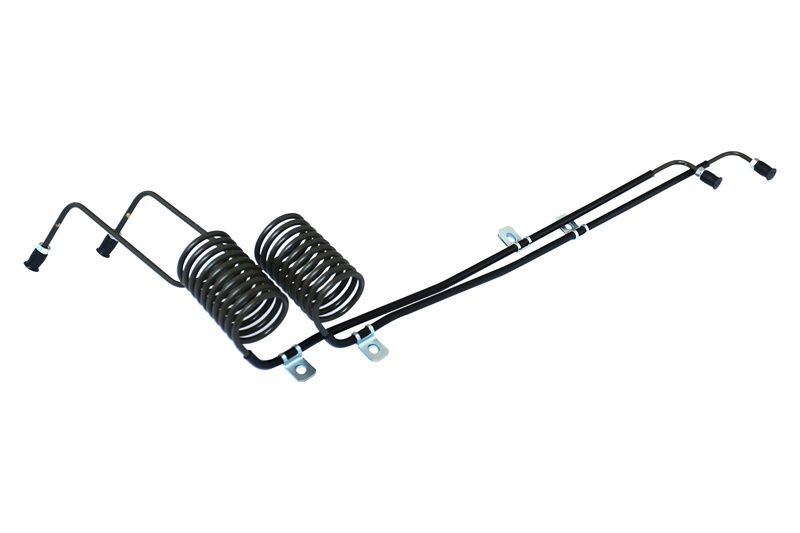
In the charging process of pure electric vehicles, coolant pipes are responsible for dissipating heat from the charging module. During fast charging, the charging module generates a large amount of heat; if not dissipated in time, it will affect charging efficiency and even damage the equipment. Coolant circulates in the pipes, carrying away heat from the charging module to keep it operating at an appropriate temperature, allowing the vehicle to replenish energy quickly and stably, thus enhancing the user’s charging experience.
The thermal management system of new energy vehicles is relatively complex, as it is related to battery life, motor performance, and ride comfort. Automotive pipes serve as the link connecting various heat exchange components. In terms of battery thermal management, coolant pipes are laid around battery modules. Batteries generate heat during charging and discharging; excessively high or low temperatures will affect their performance and lifespan. Coolant circulates through the pipes to carry away excess heat generated by the battery. When the battery temperature is low, the coolant can also be heated to warm the battery, maintaining it within the optimal operating temperature range of 25°C-40°C. This extends battery life and increases cruising range. Studies have shown that reasonable battery thermal management can extend battery life by 20%-30%.
The motor and electronic control system also rely on automotive pipes. Motors generate a lot of heat during high-speed operation, which needs to be dissipated by coolant in the cooling pipes to ensure stable output power. For electronic control systems such as inverters and on-board chargers, coolant pipes can effectively carry away heat generated during operation, ensuring the normal operation of electronic components, avoiding faults caused by overheating, and improving the reliability of the entire vehicle.
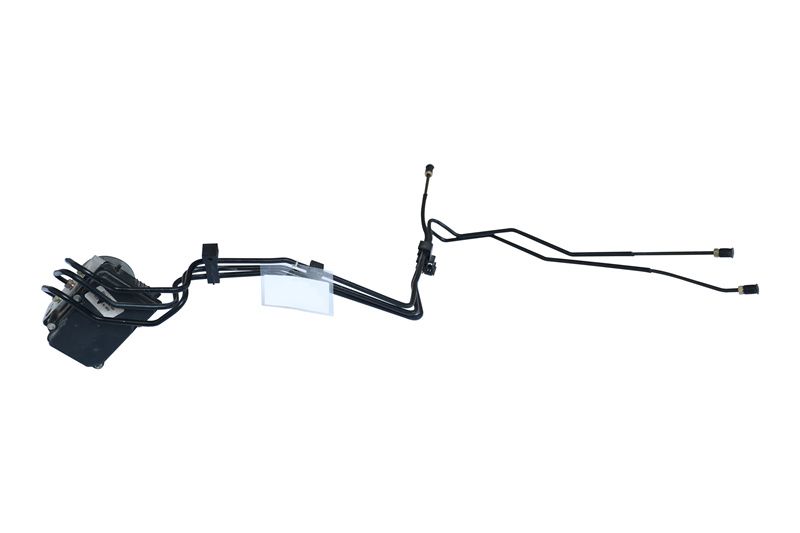
Automotive pipes also play an important role in ensuring the stable operation of various systems in new energy vehicles. In the braking system, brake fluid pipes are responsible for transmitting braking pressure. When the driver steps on the brake pedal, brake fluid is pressurized in the pipes and precisely transmits the pressure to the brake calipers of the wheels, enabling the vehicle to brake. The sealing and pressure resistance of the pipes directly affect braking performance; if the pipes leak or lack sufficient pressure resistance, it may lead to brake failure, seriously endangering driving safety.
In the air conditioning system, refrigerant pipes connect components such as the compressor, condenser, and evaporator. Refrigerant circulates in the pipes, transferring heat through phase changes to create a comfortable temperature environment inside the vehicle. Especially in new energy vehicles, since there is no waste heat from the engine to utilize, the heating function of the air conditioning system mostly relies on PTC heaters or heat pump technology. This places higher requirements on the thermal insulation and temperature resistance of refrigerant pipes to ensure that the interior can warm up quickly in cold weather, enhancing ride comfort.
In new energy vehicle manufacturing, although automotive pipes are small, they assume key responsibilities such as power transmission, thermal management, and ensuring system stability, serving as an important guarantee for vehicle performance and safety. With the continuous development of new energy vehicle technology, performance requirements for automotive pipes in terms of lightweighting, high temperature resistance, high pressure resistance, and high sealing are increasingly stringent, driving continuous innovation in automotive pipe materials and manufacturing processes.